Research 01Autonomous mobility

AI that drives trams.

RoboZET is building an AI system that can drive a tram, starting on Zagreb's network. The first version already reads the street ahead and decides how the tram should respond.

Zagreb, HR
3 phases to a
driverless line.

Jump to: How it works · Phase 1 · Scout 3D · Roadmap · Contact

Line 2 · cab view · AI overlayNinety seconds of ZET line 2 as the AI sees it: detections, the track corridor, and the driving decision with confidence bars.

01 · Why trams

Why start with trams

A tram follows fixed rails, so it never steers. The only decisions are when to accelerate, coast, brake or stop.

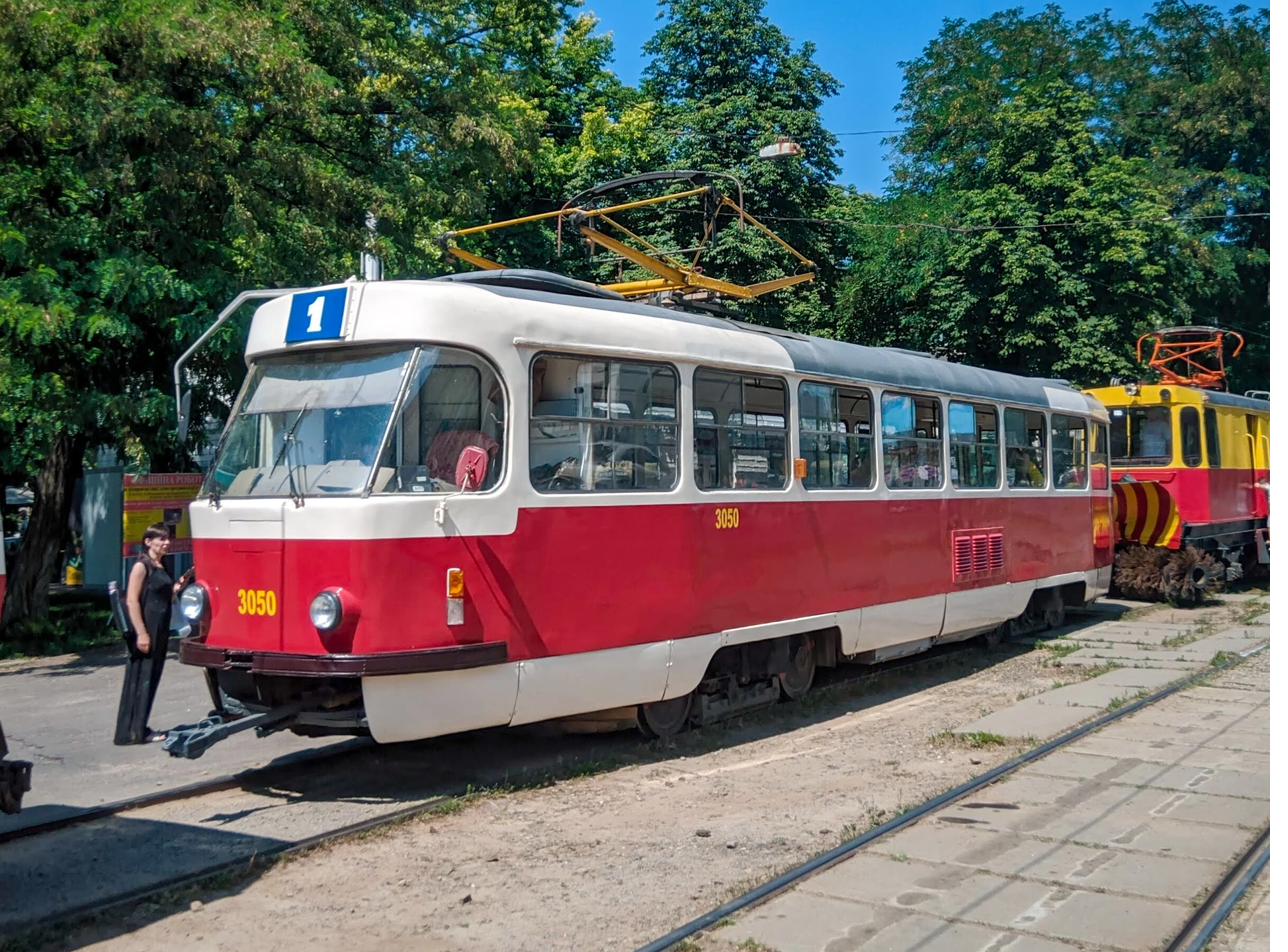
That turns a hard open-world problem into a narrower one: understand the scene ahead and control speed safely. Operators also need to modernise. ZET reported that only 57.47% of its trams were technically available in 2023, and it is now replacing its oldest Tatra trams.

Fixed, known routes.
Every line can be mapped and recorded in advance, stop by stop.
One control axis.
Speed only: no lane changes, parking or steering.
Infrastructure in place.
Zagreb runs 15 day lines on about 116 km of metre-gauge track, and hundreds of European cities have similar networks.

02 · Pipeline

How it works

Driving is split into four stages, so each one can be tested and replaced on its own.

  1. 01

    See.

    Cameras at the front capture the track and street ahead.

  2. 02

    Understand.

    A local vision system finds people, cars, bikes and lights, and works out what is on or heading toward the rails.

  3. 03

    Decide.

    The scene goes to Jev by TypeSafe AI, which returns a driving action with a confidence for each option.

  4. 04

    Act.

    A controller turns the action into motor and brake commands. A hardware emergency stop always overrides the AI.

03 · Phase 1

Phase 1: proof of concept

Put the AI on real tram hardware, then turn that hardware into a scout robot that works the network every day. Estimated at about 12 months.

Working today

The AI vision system

The first version runs on recorded cab footage of ZET line 2, at about five frames per second.

  • YOLO11 and ByteTrack detect and follow people, vehicles and traffic lights.
  • A calibrated track corridor shows what is on the rails or moving toward them.
  • Distance, the tram's own speed and signal colour are estimated from the video.
  • Jev chooses the action: speed up, keep steady, ease off, brake or emergency stop.
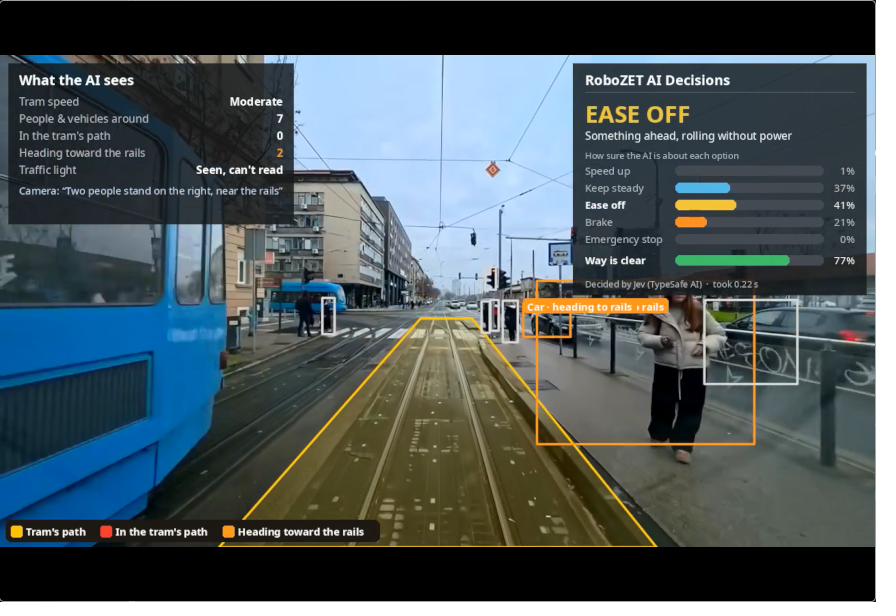
The vision system on ZET footage: detections, the tram's path highlighted in yellow, a scene summary and Jev's decision with confidence bars
Vision system, v1Line 2 footage with detections, the tram's path, and Jev's decision on the right.
Next

The bogie

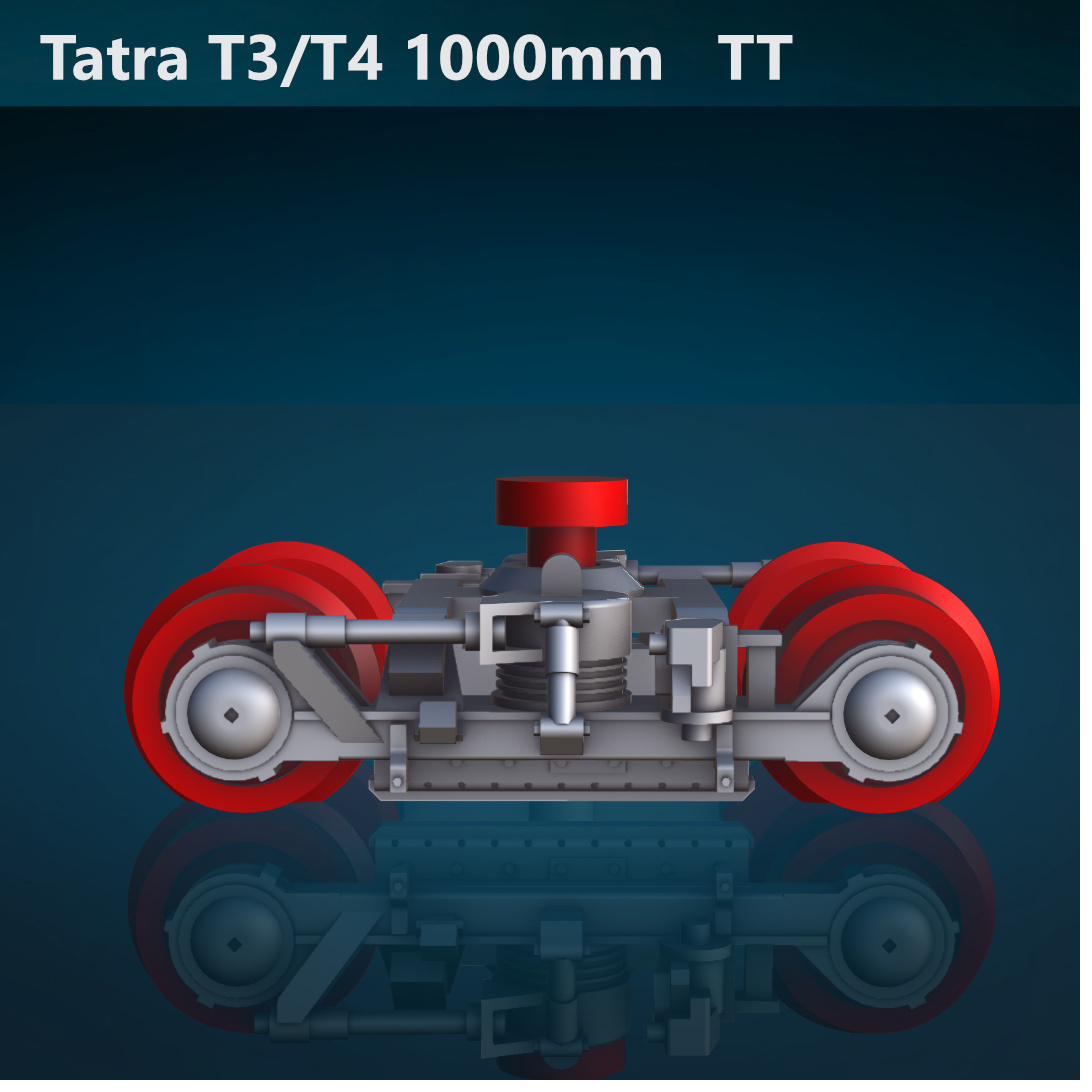
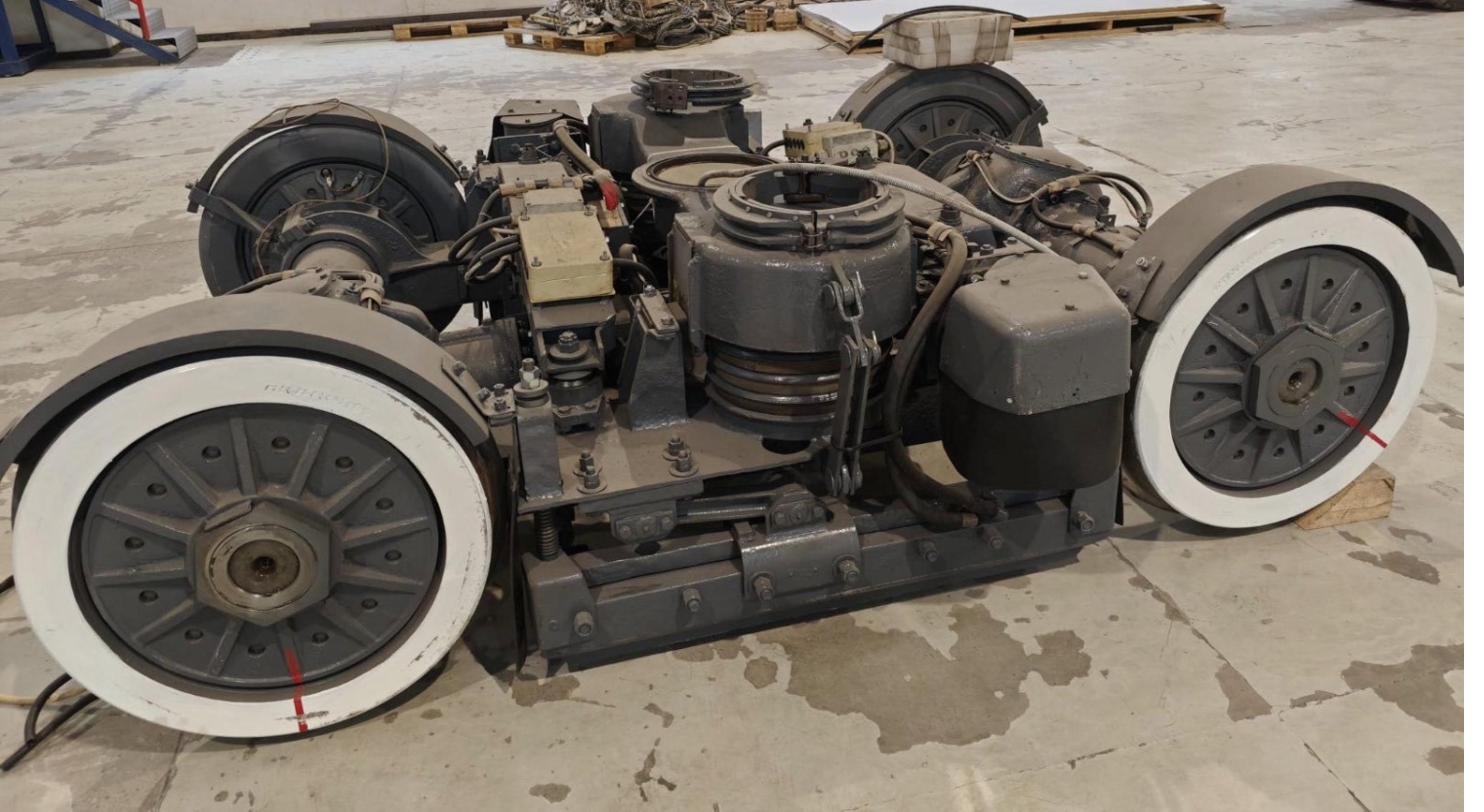
The platform is a single motor bogie from a retired Tatra T4 tram, the type ZET runs as TMK 401 and is now replacing.

  • Metre gauge, with the same wheels and brakes that run on ZET lines today.
  • Two original 40 kW DC traction motors.
  • A 72-96 V LiFePO4 battery instead of overhead power, for slow, safe test speeds.
  • An onboard GPU computer, cameras and depth sensors on a frame above the bogie.
  • A physical emergency stop that cuts power regardless of the AI.

First runs take place on a closed test track.

Then

The scout robot

Once the bogie drives reliably under AI control, it becomes a self-propelled scout. Its first job is to record a complete line to train the driving AI. After that it keeps working every day, giving the operator live, updated scans of every line.

Runs on live lines would start outside service hours, with the operator's approval.

Scout robot detecting a blocked trackA scout robot on a tram line between Stop A and Stop B scans ahead, flags a blocked track before Stop C and sends a live operator alert.SCOUT · LIVE SCANLINE 2 · 05:12Operator alertStop AStop BStop CTrack blockedLive scans of every line, every day.
Scout · live scanA scout on line 2 spots a blocked track ahead and reports it to the operator in real time.
Traffic jams
Cars on the rails, blocked junctions, stalled vehicles.
Accidents
Collisions and obstructions on or near the track.
Roadworks
New construction zones, temporary signals, track damage.
Changes
Anything that differs from the last scan, flagged for the operator.
Design study

The scout, stage by stage

From the first crude test rig to the final robot. All three stages share the Tatra T3 metre-gauge bogie; the parts are concept volumes, not engineered parts.

Drag to orbit · click, then scroll to zoom

04 · Roadmap

The route ahead

Three phases to a driverless line, then the network.

01
Phase 1 · Proof of concept, now
AI-driven bogie on a closed track, then the scout robot on a real line.
02
Phase 2 · Prototype
The AI in a real, road-legal tram: first alongside a driver, then driving under supervision.
03
Phase 3 · MVP
A traffic-ready autonomous system in beta on one line, with a safety driver on board.
04
Scale-up · Network and beyond
All Zagreb lines, other Croatian cities, then tram operators across Europe, with scouts monitoring every line daily.

05 · Full ride

A full ride, as the AI sees it

Ten minutes on line 2, with every detection and decision on screen.

Full ride · 10 minUncut line 2 run with the complete detection and decision overlay.

06 · Funding

Funding Phase 1

Phase 1 can be funded from one source or a combination.

Grants

Public programmes.

EU and Croatian innovation and smart-mobility programmes for applied AI and transport.

Partnerships

Co-development.

Co-development with the operator, the city, research institutions or rail industry, through funding, hardware, track access or expertise.

Venture capital

Equity.

Equity from investors in autonomous mobility and applied AI, backing a path from a working proof of concept to a product for tram operators across Europe.

07 · Talk to us

Talk to us

RoboZET is developed by Astro Synapse, a Croatian company building applied AI systems.

Decision model: Jev by TypeSafe AI. Demo footage used for research purposes.